


 www.animalia-life.club
 Introduction: Building Your Own Beetle Cat The Beetle Cat is a classic American sailboat, known for its stability, simplicity, and beautiful lines. Building one yourself is a rewarding project, combining woodworking skills with maritime history. This guide provides a step-by-step approach to constructing your own Beetle Cat. This process requires patience, meticulous attention to detail, and a well-equipped workshop.
Materials and Tools: Gathering Your Resources Before you start, gather all the necessary materials and tools. This significantly streamlines the building process. A detailed materials list is typically provided with the plans. Expect to work with plywood, epoxy resin, fiberglass cloth, lumber for framing, and fasteners. Crucially, secure a comprehensive set of Beetle Cat boat plans. Wood: Marine-grade plywood for the hull, solid wood for framing (e.g., mahogany, cedar, or pine). Epoxy Resin and Hardener: High-quality epoxy is essential for a durable, waterproof bond. Fiberglass Cloth: Used for sheathing the hull for added strength and protection. Fasteners: Stainless steel screws, bronze nails, and other marine-grade fasteners. Paint and Varnish: Marine-grade paint and varnish for a durable and attractive finish. Sailing Hardware: Mast, boom, sail, rudder, tiller, and other necessary hardware. You'll also need a range of tools: Measuring Tools: Tape measure, squares, levels, and marking gauges. Cutting Tools: Circular saw, jigsaw, hand saw, and chisels. Shaping Tools: Planer, spokeshave, and files. Fastening Tools: Drill, screwdrivers, and nail set. Sanding Tools: Sandpaper in various grits, sanding block, and power sander. Epoxy Tools: Mixing cups, stir sticks, brushes, and rollers. Safety Gear: Safety glasses, dust mask, and gloves.
Step 1: Building the Framework The initial step involves constructing the internal framework of the boat. This framework provides the structural integrity to which the hull will be attached. Follow the plans carefully, paying close attention to the dimensions and angles of each component. Lofting: Transfer the lines from your plans to full-size patterns. This is crucial for accuracy. Stem, Keel, and Transom: Build these key structural components according to the plans. These are the backbone of the boat. Frames or Ribs: Cut and assemble the frames, ensuring they are square and properly spaced. Temporary Strongback: Create a stable base to build the framework upon. This keeps everything aligned. Assembly: Attach the stem, keel, transom, and frames to the strongback, creating the skeleton of the boat.
Step 2: Planking the Hull With the framework complete, you can begin planking the hull. This process involves attaching strips of plywood to the framework, shaping them as necessary to conform to the boat's curves. Plank Preparation: Cut the plywood planks to the required width and length, tapering them where needed. Fitting the Planks: Carefully fit each plank to the framework, ensuring a tight and smooth fit. This may require some trial and error. Fastening the Planks: Secure the planks to the frames using screws and epoxy. Seam Filling: Fill any gaps between the planks with epoxy filler. Sand smooth when cured.
Step 3: Sheathing the Hull with Fiberglass Applying fiberglass sheathing adds significant strength and waterproofs the hull. This step is crucial for long-term durability. Preparation: Sand the hull smooth and remove any dust or debris. Applying Epoxy: Wet out the fiberglass cloth with epoxy resin, ensuring it is fully saturated. Smoothing the Cloth: Use a squeegee or roller to remove any air bubbles and smooth the cloth. Curing: Allow the epoxy to cure completely according to the manufacturer's instructions. Sanding: Sand the cured fiberglass smooth, preparing it for painting.
Step 4: Interior Finishing and Deck Construction With the hull sheathed, you can move on to finishing the interior and constructing the deck. Interior Framing: Install any additional framing for seats, lockers, or other interior features. Deck Construction: Build the deck using plywood, following the plans. Consider adding camber for drainage. Deck Hardware: Install deck fittings, such as cleats, chocks, and a tiller. Interior Painting: Apply paint or varnish to the interior surfaces for protection and aesthetics.
Step 5: Rigging and Sails The final stage involves rigging the boat and fitting the sails. This brings your Beetle Cat to life. Mast and Boom: Install the mast and boom, ensuring they are properly aligned and secured. Sails: Attach the sails to the mast and boom. You may need to have sails custom-made or purchase a pre-made set. Running Rigging: Install the running rigging, including sheets, halyards, and control lines. Rudder and Tiller: Attach the rudder and tiller, ensuring they function smoothly.
Step 6: Painting and Finishing This crucial step protects the boat from the elements and gives it its final aesthetic. Priming: Apply several coats of marine-grade primer to the hull and deck. Painting: Apply several coats of marine-grade paint, allowing each coat to dry completely. Varnish: Apply varnish to any wooden surfaces, protecting them from UV damage and adding a glossy finish. Final Touches: Add any final details, such as nameplates, trim, or other decorative elements.
Conclusion: Launching Your Beetle Cat Building a Beetle Cat is a significant undertaking, but the satisfaction of sailing a boat you built yourself is immense. Take your time, follow the plans carefully, and enjoy the process. When your boat is complete, inspect it thoroughly before launching. Consider a trial run in calm waters before venturing out further. Happy sailing!
Beetles
 www.homepest.net
 Beetle
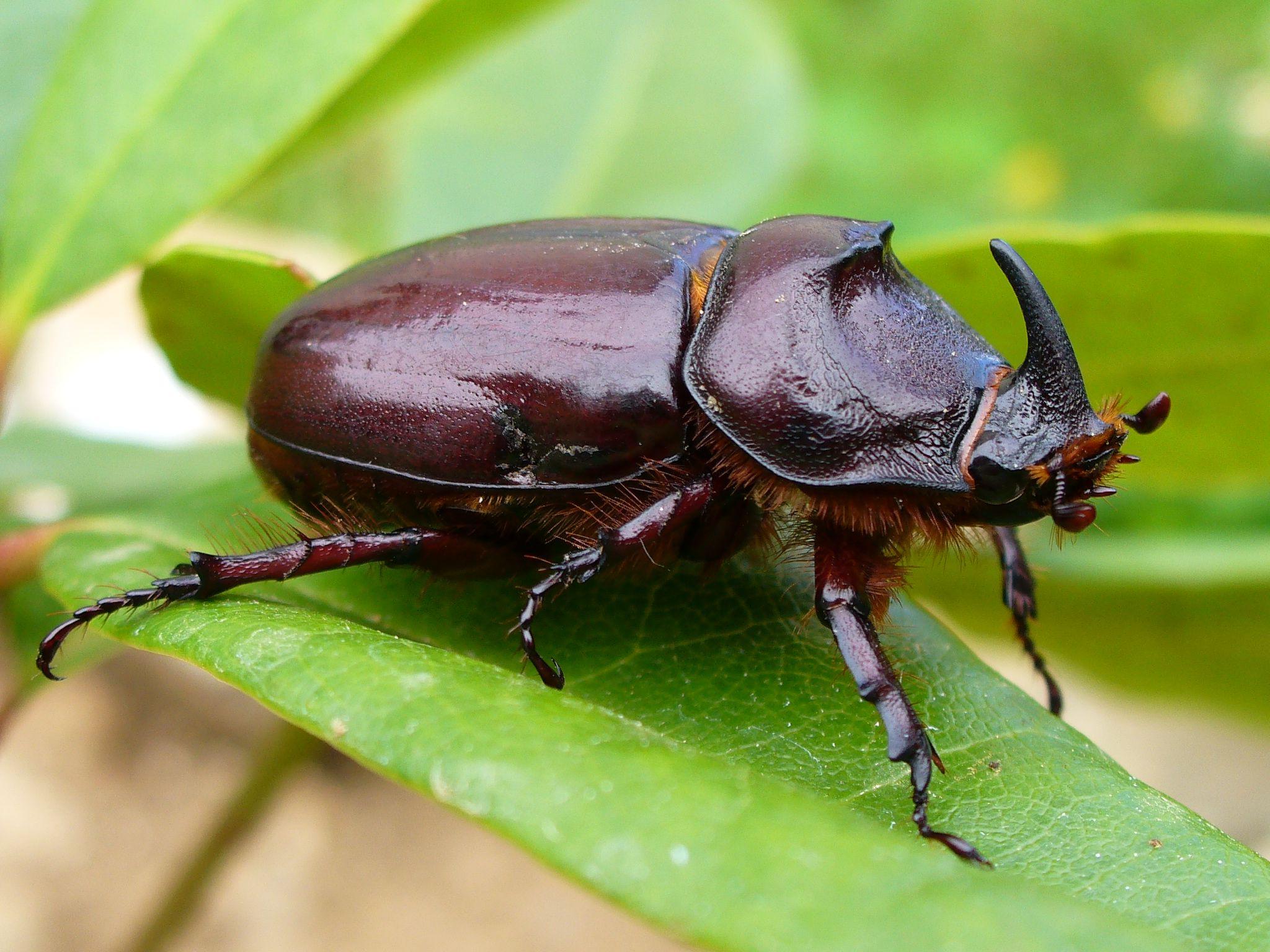
www.animalia-life.club European Rhinoceros Beetle: Identification, Life Cycle, Facts & Pictures
 beetleidentifications.com


0 komentar:
Posting Komentar